Differences Between Commercial and Residential Water Heaters
Hot water plays an essential role in homes and commercial properties, but the demands on each water heater can look very different. A family may need hot water for cleaning and other daily routines throughout the morning and evening while commercial properties require a larger supply for longer periods each day.
Property owners need to consider capacity, recovery rates, energy use, installation requirements, maintenance needs, and expected workload. Equipment that cannot meet demand may struggle to provide consistent hot water and could experience unnecessary wear over time. Understanding the differences between commercial and residential water heaters helps property owners choose equipment that can handle their needs.
1. Commercial Water Heaters Handle Greater Demand
One of the biggest differences between commercial and residential water heaters involves the amount of hot water each system must supply. Most households experience predictable periods of higher demand, such as mornings when family members shower and prepare for work or school. R
Residential systems can usually accommodate these routines when homeowners choose the appropriate capacity for their household. Commercial buildings often place much heavier and more continuous demands on water heating equipment.
Restaurants may need hot water for dishwashing, handwashing, cleaning, and other sanitation needs throughout operating hours. Hotels can require hot water for dozens or hundreds of guests while also supporting laundry and housekeeping operations. Other businesses may have specialized processes that create additional hot water requirements throughout the day.
2. Tank Capacity Can Differ Significantly
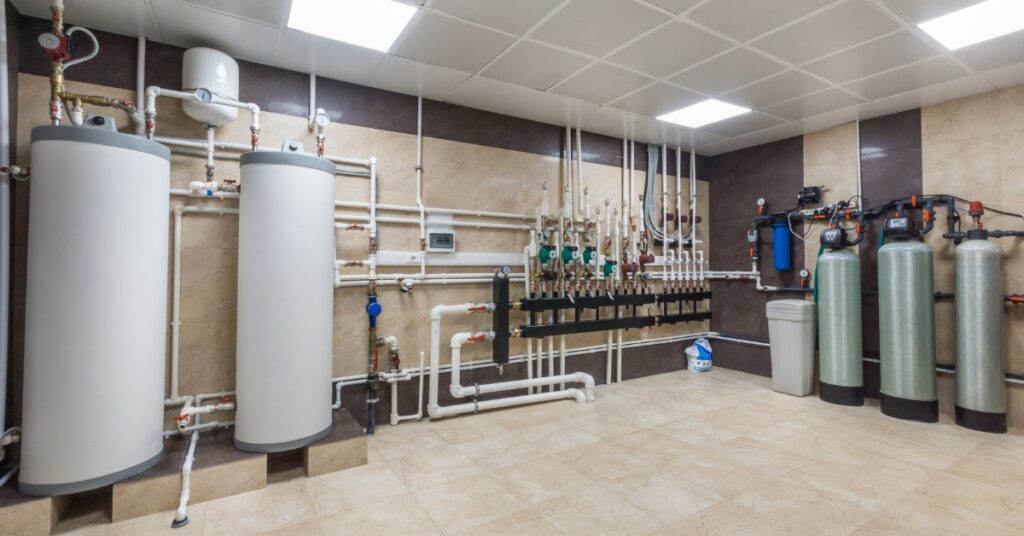
Residential tank water heaters commonly store enough hot water to accommodate the needs of a typical household. The ideal capacity depends on household size, water usage habits, fixture flow rates, and how often residents use hot water simultaneously. A smaller household may need considerably less storage than a large family with several bathrooms. Choosing appropriate capacity helps prevent inconvenient temperature drops during periods of heavy use.
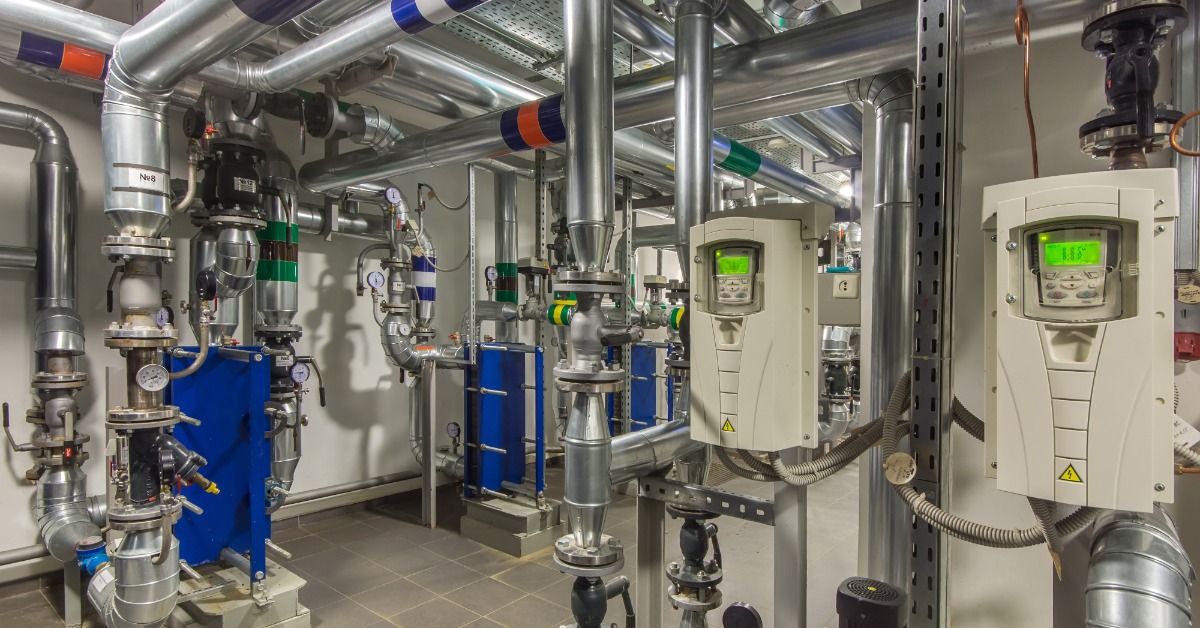
Commercial properties may require substantially greater storage because employees, customers, guests, or equipment can consume hot water continuously. Some facilities use multiple water heaters together to create enough capacity for peak demand.
Others may benefit from equipment specifically engineered for high-volume applications. Commercial plumbing contractors can evaluate usage patterns and building requirements when determining how much hot water a property needs.
3. Recovery Rate Matters for High Usage
Capacity tells property owners how much hot water a tank can store, while recovery rate indicates how quickly the system can heat additional water. Residential households often have breaks between periods of high demand, which gives the water heater time to replenish its supply. A suitable recovery rate helps keep hot water available when household members need it again.
Commercial properties often have less time between periods of heavy hot water consumption. A restaurant cannot simply stop washing dishes for an extended period while its water heater catches up with demand. Hotels also need enough hot water to accommodate many guests who may shower within the same morning window. Faster recovery can therefore play a major role in selecting commercial water heating equipment.
4. Commercial Systems Often Have More Power
Commercial water heaters frequently require greater heating power because they need to replenish large amounts of hot water quickly. Higher input ratings can help these systems maintain temperatures while supporting demanding business operations. Residential systems generally operate at lower output levels because household usage remains more limited.
Fuel and energy sources can also influence how a water heater performs in either setting. Property owners may use natural gas, electricity, or other compatible energy sources depending on the building and equipment.
Each option comes with different installation requirements and operating considerations. A plumbing professional can assess the property before recommending equipment that suits its infrastructure and hot water needs.
5. Installation Requirements Vary
Installing a residential water heater requires careful attention to sizing, connections, venting when applicable, drainage, and local plumbing requirements. The available installation area can also influence which equipment makes sense for a particular home.
Replacing an existing system may require adjustments when homeowners choose a different capacity or water heater type. Professional installation helps ensure the equipment operates according to manufacturer specifications and applicable requirements.
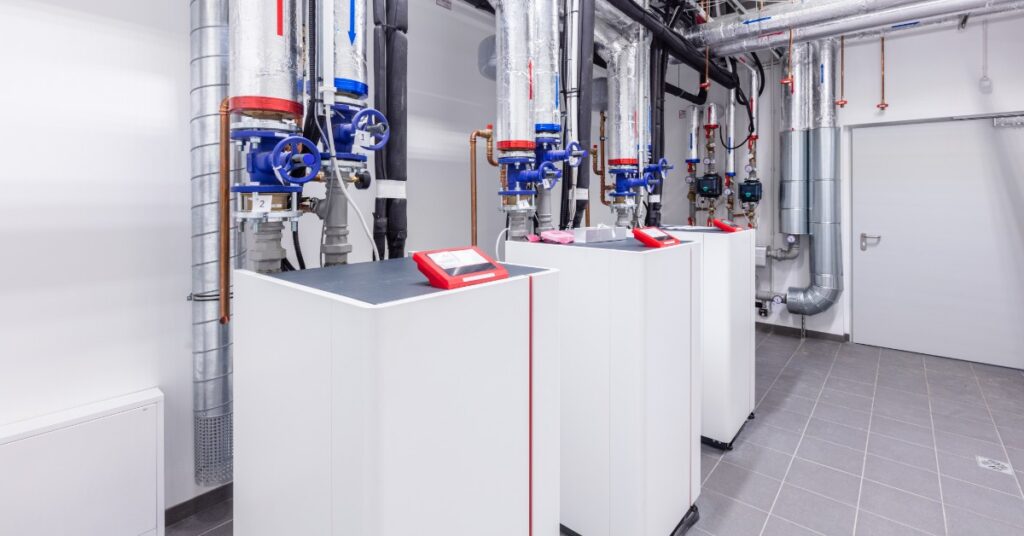
Commercial installations can involve more complicated plumbing layouts and greater space requirements because of the equipment’s capacity and output. Large properties may use several units that work together to supply different areas or support changing demand.
Large properties may also require more extensive gas lines, electrical connections, venting, or other supporting infrastructure. Careful planning helps businesses select a configuration that supports reliable service without creating unnecessary operational problems.
6. Maintenance Needs Reflect System Workload
Every water heater needs routine attention to maintain dependable performance and identify developing problems. Residential units can experience sediment buildup, leaks, or component wear as they age. Regular professional inspections give homeowners an opportunity to address concerns before they interfere with normal hot water use.
Commercial systems can experience faster wear because they often operate for longer periods and handle significantly more water. A planned maintenance schedule can help property managers monitor important components and prepare for eventual equipment replacement. Maintenance frequency should reflect the manufacturer’s recommendations along with the property’s actual usage demands.
Common maintenance considerations for water heaters include:
- Checking for leaks or signs of corrosion
- Monitoring water temperature and performance
- Inspecting connections and applicable venting components
- Evaluating sediment accumulation inside tank systems
- Checking safety components for proper operation
- Watching for unusual noises or changes in hot water supply
7. Energy Efficiency Affects Operating Costs
Energy efficiency matters for any water heater because heating water contributes to a property’s ongoing utility expenses. Homeowners can reduce unnecessary energy consumption by choosing an efficient system that matches their household’s actual needs.
Oversizing equipment may increase upfront costs without providing meaningful benefits for a smaller household. An undersized system can also create performance problems when demand repeatedly exceeds available capacity.
Commercial properties often place even greater importance on efficiency because their systems may operate throughout the day. Small improvements in efficiency can create meaningful differences in operating expenses when a business uses large volumes of hot water. Property owners should consider expected usage and long-term operating costs when comparing options.
Choosing the Right Water Heater for the Property
Understanding the differences between commercial and residential water heaters can help property owners choose equipment that matches your property needs. Residential systems typically support household routines, while commercial equipment must often handle heavier usage periods. Professional guidance can help prevent undersized equipment, unnecessary energy costs, and inconsistent hot water performance.
At Fletcher’s Plumbing & Contracting, we have served Northern California since 1973 with dependable residential and commercial plumbing services. Our experienced team can evaluate your property’s hot water demands and recommend a water heater that supports reliable everyday performance.
We also provides 24/7 emergency plumbing services when urgent problems require professional attention. Contact Fletcher’s Plumbing & Contracting today to schedule water heater service for your home or commercial property.